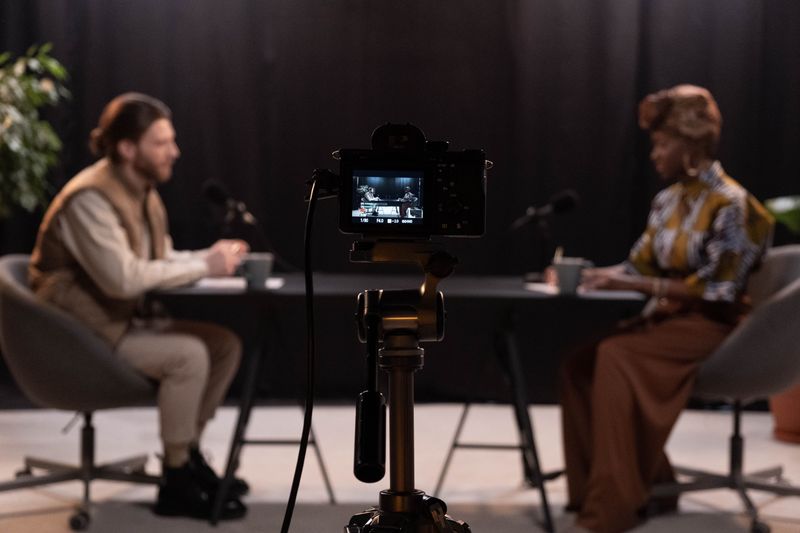
Some business owners record the first episode of their podcast, watch it back, and immediately think, “Maybe this was a bad idea.”
The video might not look as polished as they expected. The audio may sound off. There may have been too many pauses or distracting background details. Suddenly, the idea of putting yourself out there doesn’t seem quite so appealing.
Other business owners never even get that far. They have plenty to say and know a podcast could help their business, but the thought of being on camera, sounding awkward, or simply getting it wrong keeps them from starting.
These concerns are more common than you might think, and while you can’t eliminate every uncomfortable part of putting yourself out there, understanding what’s holding you back from starting a podcast. can make it much easier to move past it.
How You Look and Sound on Camera
There’s something strange about seeing and hearing yourself the way everyone else does. You might be perfectly comfortable talking to a customer or leading a meeting, but turn on a camera, and suddenly you notice everything. Your hair looks wrong, your voice sounds off, you’re using “um” way more than you realized, and why are you sitting like that?
For some first-time podcast hosts, that discomfort is enough to make an audio-only recording seem like a better option.
The good news is that most of what feels painfully obvious to you won’t stand out to anyone else. Generally, the more you record, the less strange it tends to feel. Your second session probably won’t feel as uncomfortable as your first, and by the fourth or fifth, you may barely notice the camera is there.
You also don’t have to get everything right in one take. If you stumble over a word, lose your train of thought, or need to fix your hair halfway through, that’s what editing is for. A polished podcast doesn’t mean the host was perfect from start to finish. It usually means someone cleaned up the parts that didn’t need to be included in the final product.
Lack of Time
An hour-long conversation doesn’t sound too difficult to fit into a busy schedule. The problem is everything that happens after you stop recording.
What starts as an hour of recording can quickly turn into several more hours of work. Someone has to:
- Edit the episode
- Choose the best clips
- Create social media posts
- Manage the content calendar
- Make sure everything gets published on time
For a business owner who already has a full plate, that’s a lot to take on. While most people may not mind adding an hour of work to their week, taking on the roles of editor, scheduler, and full-time marketer can feel like too much of a commitment.
However, you don’t have to do everything yourself. Many of the tasks that happen after recording can be handed off to a freelancer or an in-house team member. You can also work with a done-for-you podcast service that handles the entire process. The goal is to make the podcast fit into your business rather than turning it into another job you have to manage.
New Technology
For someone who doesn’t work with video, all the technology behind a podcast can feel like a lot to learn. There are:
- Cameras
- Microphones
- Lights
- Recording software
- Editing programs
When you’re already busy running a business, the idea of learning all of that can make you wonder if starting a podcast is worth it.
The irony is that most business owners are already comfortable with far more complicated things in their own fields. An insurance broker manages policy details that most people would find overwhelming. A roofer can analyze a structure to identify its flaws in ways most homeowners cannot. You didn’t become an expert overnight.
Podcasting is similar. You can probably figure out the technology, or you may decide you don’t want to be the one who takes care of it all. Luckily, you don’t have to. Once you separate being the host from managing the technology, starting a podcast can feel much more manageable.
These Fears Can Keep Good Businesses Invisible
These fears aren’t unreasonable, but they may be holding you back from sharing your knowledge and expanding your reach.
Think about two pediatrician offices in the same town. Both run by knowledgeable doctors who provide excellent care. One doctor regularly posts videos on social media and publishes a weekly podcast that answers parents’ common questions. The other pediatrician has just as much expertise but rarely puts it online.
If a parent is searching for an answer to a question about their child’s health, they may come across the first doctor’s video, hear them explain the issue clearly, and start to build trust in them. The second office may be just as qualified, but the parent has no way of knowing that from what they see online.
That’s one of the biggest opportunities a podcast can create for a business. You don’t have to be the most polished person on camera or the most comfortable with technology. You just have to be willing to show up consistently and share what you already know.
When you let your fears hold you back from starting a podcast, you may spare yourself some awkward moments, but it can also mean giving up opportunities to get in front of people who could eventually become your customers. Meanwhile, a competitor who is willing to be visible may become the one people remember and choose when they need a provider or service.
How to Get Past the Fear
You don’t have to feel completely comfortable before you start a podcast. In fact, you probably won’t. The first time you sit in front of a camera or hear your recorded voice, it will most likely be uncomfortable.
The businesses that eventually build a podcast and turn it into useful content aren’t necessarily the most confident or tech-savvy ones. They’re the ones who decide that being a little uncomfortable at first is worth the opportunity to be seen and heard by people who need what they offer.
You may watch that first episode and think, “Maybe this was a bad idea.” Give it another episode, then another. You might be surprised by how quickly sitting in front of a camera and recording a conversation starts to feel like a normal part of running your business.